

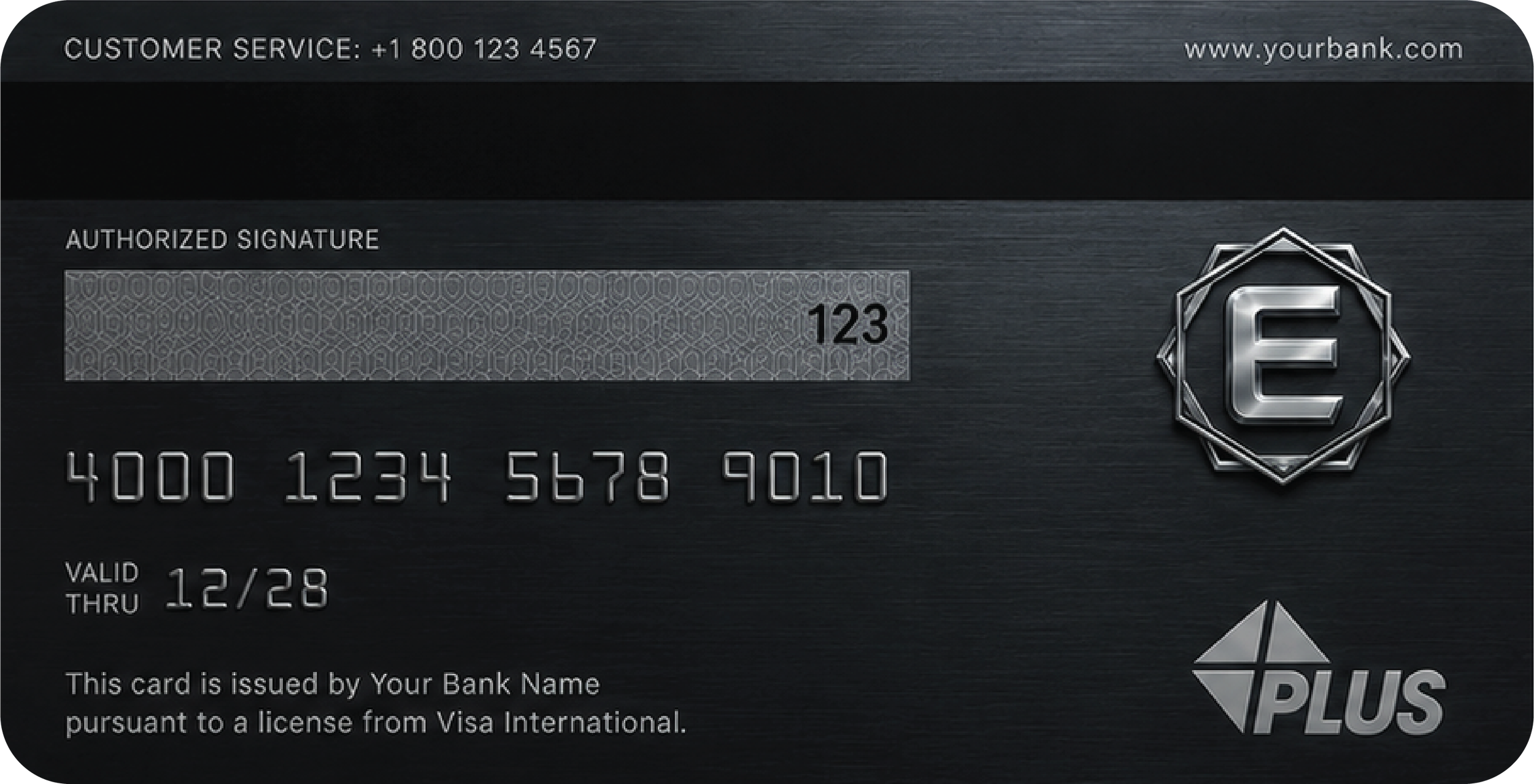
The EVOLUT card generates credits at the source, on land it controls, under a recognized standard. This produces three advantages no intermediary can replicate.
Provenance by construction. Every token maps to a known plot in a known project. The token's origin is not a claim — it is a coordinate.
Quality control at issuance. EVOLUT selects the methodology, manages monitoring and controls retirement logic from the moment a credit is created.
A closed, trustworthy loop for the consumer. When a cardholder spends, the contribution funds removal on EVOLUT's own land, represented as a token tied to a real plot — not a line item in an opaque pool.
The opportunity in one paragraph.

Conclusion
High-profile tests from JPMorgan’s registry tokens to Nasdaq’s institutional platforms, demonstrate how credits can be minted, traded and retired without friction on-chain.
These all tout advantages such as real-time auditing, interoperability and liquidity. But experts say blockchain is a tool, not a magic wand: tokenization rides on the back of rigorous project verification and sound regulation.
In short, leaders emphasize that in 2026, blockchain-based carbon credit systems will be vital to a sustainable economy. They provide a mechanism for restoring trust in carbon offsets, with every credit verified and the finance flowing effectively to climate solutions.
Glossary
Blockchain: A decentralized digital ledger system that stores transactions through secure, time-stamped blocks and so can never be altered or edited.
Carbon Credit (Offset): A unit representing one tonne of CO₂ reduced or removed by a verified project.
Tokenization: Transition of ownership of an asset to a digital token on the blockchain. The token records the transfer and status of the asset.
Carbon registry: An online database operated by a certification body (as Verra, Gold Standard) for the issuance and tracking of carbon credits.
Double-counting: When the same emission reduction is claimed more than once. Blockchain’s unique tokens help eliminate this risk.